Tropico 7 Demo Review: Familiar Recipe, But Expect Better Experience
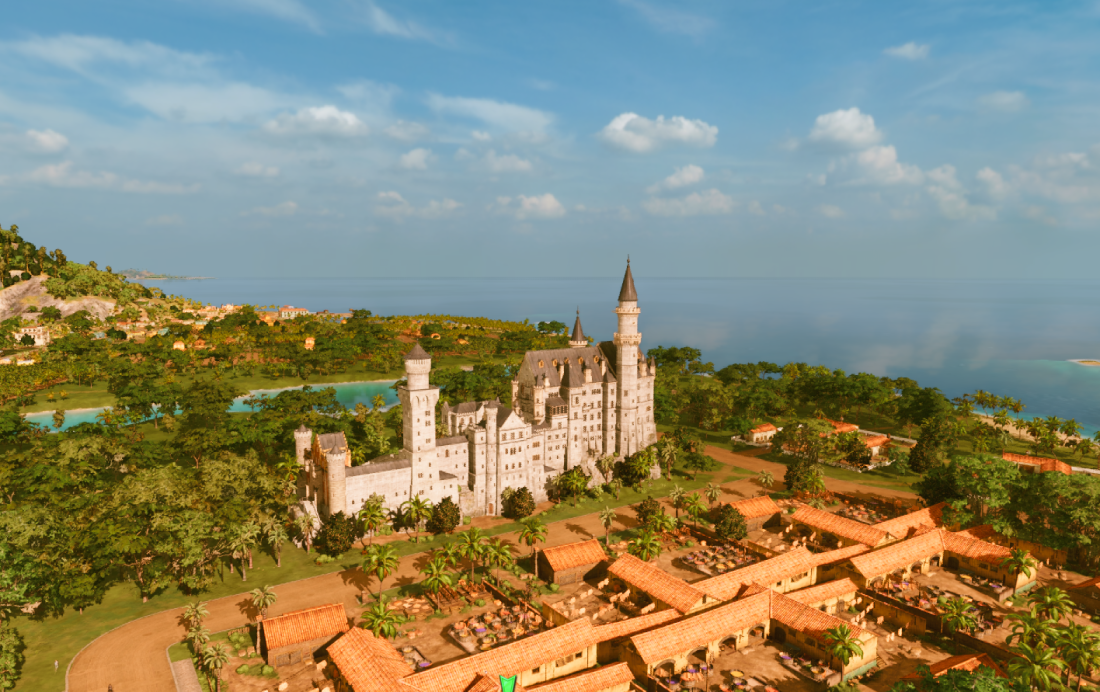
The Tropico 7 demo offers an early look at the next instalment of Kalypso Media’s popular city-building and political management series. Developed by Gaming Minds Studios, the game brings El Presidente back to govern another island nation, complete with the familiar yet addictive combination of economic challenges, political decisions, production chains, and the familiar struggle to keep citizens satisfied (or suppressed!). This review looks at the demo’s content, terraforming, economy, production, and citizen management to examine what players can expect from the full release.
Table of Contents
- Tropico 7 Demo Availability and Official Release Date
- Tropico 7 Demo Content and Gameplay Duration
- Terrain Modification Is Convenient and Easy to Use
- Economics: Trading, Entertainment, and Rent
- Production Chains and Available Buildings
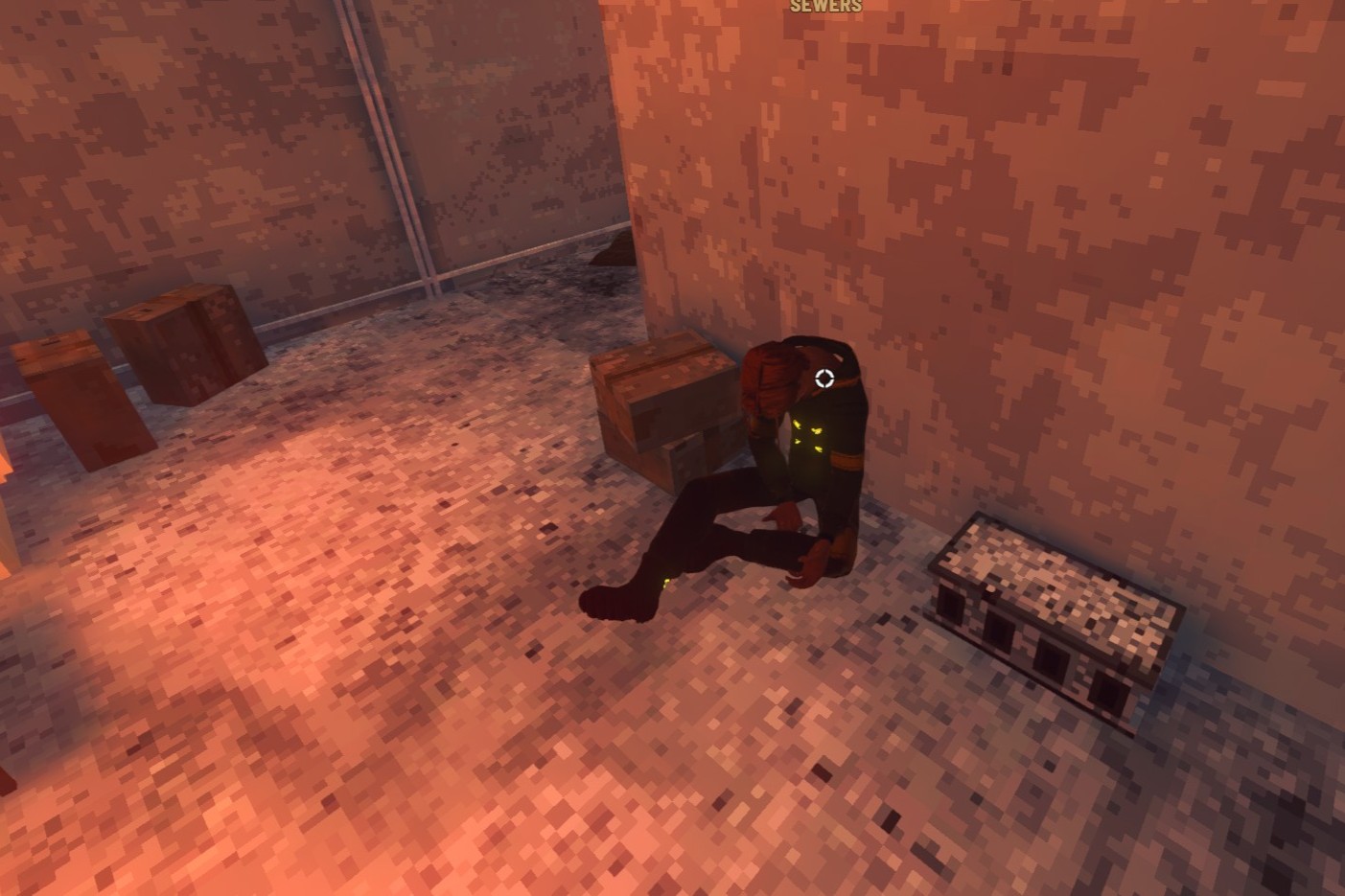
- Unemployment and Homelessness Remain Major Challenges
- What to Expect: A More Convenient Tropico Experience
Tropico 7 Demo Availability and Official Release Date
The free Tropico 7 demo was released on Steam on October 19, 2026.
The official release date for Tropico 7 is January 29, 2027. The game is planned for PC, PlayStation 5, and Xbox Series X|S, with availability through Xbox Game Pass.
For players who enjoy city-building and economic management games, the demo provides the access to the first chapter (basically the tutorial chapter to the official version), a useful opportunity to understand the direction of the new instalment. It is particularly valuable for returning Tropico players who want to see how much the building and management experience has changed.
Explore: Tropico 6 Multiplayer Guide: How to Play Online With Friends
Tropico 7 Demo Content and Gameplay Duration
The demo covers the first chapter of the campaign, essentially functioning as an extended tutorial for the full version. It introduces the player to the main gameplay systems, including construction, production, trading, diplomacy, entertainment, beauty and environment, pirate raiding, and citizen management.
There are approximately 6–10 hours of gameplay, depending on how quickly the player completes the campaign objectives and how much time is spent developing the island.
One particularly useful feature is the ability to extend the player’s mandate time almost indefinitely through the diplomacy side quests. This allows the player to slow down the main quest progression and spend more time developing the island without constantly rushing to complete campaign objectives. There are side quests that allow the player to:
- pay to extend the mandate time.
- release certain edicts repeatedly and revoke them to extend the time.
- export or import specific types of goods.
As a result, the demo can also function as a limited sandbox experience. Players can experiment with production chains, expand their settlements, improve their economy, and adjust the island’s layout without immediately progressing through the main objectives.
Explore: Anno 117 Pax Romana How to Make Money: Simple Ways to Have Money Rolling in
Terrain Modification Is Convenient and Easy to Use
One of the most discussed additions to Tropico 7 is terrain modification. The ability to reshape the island is a major improvement over previous entries, where players often had to work around mountains, slopes, and other geographical restrictions.
In the demo, the terraforming tool is straightforward to use. Players can select a brush and flatten sections of terrain directly, making it much easier to prepare suitable construction areas.
- The height selection determines the height of the modified terrain.
- The changes are also applied immediately rather than requiring a lengthy construction process.
- Depending on the original terrain, the player may need to spend more or less money to complete the modification. Naturally, reshaping a mountain into a piece of flatland can become more expensive than flattening a slope.
Combine Terraforming With Map Fertility
Terrain modification becomes particularly useful when combined with the map’s fertility information.
Different areas of the island offer different levels of fertility, making some locations more suitable for particular agricultural activities. With terraforming, players can expand usable areas around fertile land and create more organised production districts. For example, a player can flatten an area near fertile terrain for tobacco and expand the areas that are great for tobacco plantation building.
This makes agricultural planning more convenient and allows players to take better advantage of the island’s natural resources. It is one of the strongest improvements in the demo because it gives players greater control over how the island develops.

Explore: Anno 117 Pax Romana Review: You May Prefer This Over Anno 1800!
Economics: Trading, Entertainment, and Rent
The demo heavily relies on trading as its primary source of income. Players need to establish production chains, generate surplus goods, and export them to maintain a healthy treasury.
Fortunately, the production and trading panels make it easier to understand the island’s production and trading situation. Players can monitor production quantities and trading prices more clearly, helping them identify which industries deserve further investment.
- Tourism is not available in the demo. Therefore, the available economic options are more limited than what players can expect from the official version.
- Basic entertainment buildings can provide revenue while improving the island’s services.
- Housing rent is another useful source of income, particularly when the rent is adjusted properly according to the wealth status of the homeless people.
However, production and exports remain the main economic focus during the demo. Players who are familiar with Tropico 6 will recognise this approach. Establishing reliable production chains and managing export opportunities remain essential to building a successful economy.


Explore: Anno 1800 Electricity: How to Build and Optimize Your Power Grid in the Old World
Production Chains and Available Buildings
The demo introduces the basic production buildings, including logging camps, plantations, ranches, and other facilities needed to establish the island’s early economy.
However, the available production chains are relatively limited. Players can experiment with several basic supply chains, including:
- Hides → Leather
- Sugar → Rum
- Logs → Planks
The player can experiment with some simple ways to turn raw materials into processed goods. For example, the player can produce sugar locally, process it into rum, and export rum for its higher revenue compared to sugar. Or, the player can also import sugar, process it into rum, and export rum.
Although the demo does not provide access to the full range of production buildings, it gives players a good understanding of how the economy operates. The full version offers more opportunities to develop specialised industries as additional buildings and production chains become available.

Explore: Anno 1800 Anne Harlow: Strategies for Defeating, Looting, and Trading with Anne Harlow
Unemployment and Homelessness Remain Major Challenges
Despite the improvements to building and management, some of the biggest challenges from previous Tropico games remain. Unemployment and homelessness are still two of the main problems players will need to manage.
The unemployment system is particularly demanding because simply having vacant jobs does not guarantee that citizens will take them. The player needs to match the requirements of available positions with the characteristics of the unemployed population. A citizen may be unemployed even when job vacancies exist if their wealth or education does not match the requirements of the position.
The demo does not provide an edict that allows players to directly control the influx of immigrants. This can make unemployment management more frustrating because the population continues growing while the island struggles to provide enough suitable jobs.
Homelessness is comparatively easier to manage. One of the simplest solutions is to adjust housing rent. If citizens cannot afford the available accommodation, lowering rent can make residential buildings more accessible.
All in all, in the Tropico series, it is not always about making the citizens happy, but about keeping them satisfied enough that they don’t rise up against El Presidente.

Explore: Anno 1800 How to Trade: Build Wealth Through Smart Trading Practices
What to Expect: A More Convenient Tropico Experience
The Tropico 7 demo demonstrates that the series is retaining its familiar foundations rather than completely reinventing its gameplay.
The main mechanisms remain centred on production chains, trading, economic management, political policies, and diplomatic relationships. Players who enjoyed Tropico 6 should feel comfortable with the overall structure, although several systems have received meaningful improvements, such as the edict tree.
The biggest addition is undoubtedly city-building tools and the improved user interface. Being able to flatten land and reshape the island directly makes city planning much more flexible. Production costs, trading information, policies, and diplomatic objectives are easier to navigate, making everyday management more convenient. The full release will ultimately determine how much depth the additional eras, buildings, policies, and economic systems provide.
🌴 Looking for help building your island, managing your economy, or keeping your citizens from revolting? Our Tropico 7 Guide Hub covers everything from beginner tips and city-building strategies to economy guides and much more. We add new guides regularly, so check back as you build your tropical paradise!


Anno 1800 Campaign: Key Contents, Rewards, and Why You Should Play
A great starting point for your first Anno 1800 save!…