Is Graveyard Keeper 2 Too Grindy? Check Common Players’ Complaints
Long crafting chains, zombie management, combat preparation, and restrictions on certain activities can turn a straightforward quest into several hours of preparation in Graveyard Keeper 2. There are multiple factors that we need to take into consideration before we can decide whether it is way too grindy, or it is just grindy enough for the player to feel the lure. This guide will explain the common complaints about the system imbalance and the overwhelming workload for the player in Graveyard Keeper 2.
How Long Does It Take to Finish Graveyard Keeper 2?
Completing the main quests can take around 80 – 100 hours, depending on how efficiently the player approaches progression, how much time they spend on optional activities, and if the player is using mods.
The game encourages players to explore different systems, including farming, fishing, cooking, Graveyard management, Vineyard production, town restoration, and zombie automation. Each system offers its own progression and rewards, but not all of them contribute equally to finishing the main story.
Players who spend time developing every available activity may find themselves investing dozens of hours into systems that the main quests barely require. Those who focus on essential resources, crafting stations, combat, and quest objectives can potentially finish with considerably less effort in optional areas, such as Graveyard building and Vineyard.
The distinction matters because Graveyard Keeper 2 does not always make it obvious which activities deserve priority. Players may assume that improving every part of the operation is necessary, only to discover later that much of the work was optional.
Explore: Graveyard Keeper 2 Zombie Factory Guide: A Simple Layout with Fewer Zombies
The Core Gameplay Loop: Early, Mid, and Late Game Grinds
The main gameplay loop follows a familiar management-game structure:
Gather resources → process materials → unlock technologies → build new facilities → complete quests → automate production → expand the operation.
At its best, this loop creates a satisfying sense of progress. The player gathers raw materials, transforms them into useful products, unlocks new crafting options, and uses those improvements to access additional areas and quests.
Early Game: Manual Crafting and Unlocking Technologies
The early game focuses on gathering resources, crafting items manually, and unlocking the seven main sectors: Building, Metallurgy, Farming, Theology, Anatomy, Cooking, and Combat.
Each sector introduces new mechanics and provides access to additional recipes, facilities, or new map areas.
- Initially, manual crafting is manageable because production chains remain relatively simple. The player can gather a few materials, process them at a workbench, and immediately use the results to complete a task.
- However, the workload increases as the player unlocks more recipes. Then the player has to refer to the Tech tree multiple times to figure out how to craft the item they want. The player may also need to cook more to restore Stamina and gather resources like Sand and Clay from different locations.
However, the early game phase is almost the best phase of playing Graveyard Keeper 2. The workload is still manageable. Early zombies from Albert and Gunter can help with farming, cooking, and basic crafting. And there is the novelty of the whole experience of progressing and starting to make zombies.

Explore: Graveyard Keeper 2 Mods: How to Install Mods and the Best Mods to Try
Mid Game: Zombies and Factory Automation
The mid game introduces zombie resurrection, PR, and automation, which should theoretically reduce the amount of repetitive work. Zombies can gather resources, transport materials, and operate crafting stations, allowing the player to focus on progression instead of producing everything manually.
Unfortunately, establishing automation creates another set of tasks.
- The player needs suitable bodies and resurrection materials.
- Zombies also need appropriate tools and Mastery levels before they can perform advanced jobs effectively.
- The player also needs to manage the PR Board from week to week, crafting Newspapers and Charged Hypno-Devices to prevent the debuff.
- The Factory introduces further complexity. Conveyor Belts, Chests, crafting stations, and zombie-powered logistics must work together to produce the desired materials. The player needs to understand the production chain, position the equipment, assign workers, and ensure that ingredients reach the correct stations.
Without mods, building a useful Factory can take considerable time. Automation reduces repetitive work only after the player has invested in constructing and managing the system. This creates an awkward progression loop: the player needs more automation to reduce grinding, but building that automation requires additional grinding.

Explore: Graveyard Keeper 2 Go or Stay: Which Ending Should You Choose?
Late Game: Combat and Main Quest Progression
The late game shifts more attention towards combat and completing the main quests. Combat becomes substantially more difficult, especially the combats before acquiring Steel material. (Somehow the last battle, on the contrary, is not difficult at all…)
- The player needs to complete about 15+ combats throughout the game. Battles require weapons, armour, defensive structures, and consumables.
- Other than preparing the Keeper, the player needs to prepare more and more zombie fighters and pay for the Mercenaries.
- Failure can make the experience more frustrating. If the player loses a battle or needs to attempt it again, previously destroyed defences need to be rebuilt.
- The game’s scheduled activities add another complication. If the player misses a battle on the Sloth day, the next opportunity requires waiting another in-game week. A single mistake can cause a disproportionate delay.
Other main quest requirements have become simpler once the player has set up the zombie automation factory. At this point, most of the items can be crafted either by the Factory or manually. It is the same process as before: unlocking tech and crafting.

Explore: Mastering the Fence RDR2: How to Sell Illegal Goods and Craft with Legendary Animal Loot
Why Graveyard Keeper 2 Feels So Grindy
Several design decisions contribute to the game’s repetitive workload.
1. Long Production Chains
One of the biggest sources of grinding is the number of steps between raw materials and finished products.
The player may need Item C, which requires Items A and B. This becomes especially frustrating when a quest requires only a small number of finished items but demands a long sequence of gathering and processing activities. One example is the Gold-Quality Wine that the Mercenaries ask for.
Automation helps with repeated production, but the player must first build the necessary infrastructure. Until then, every additional recipe can mean another trip to a resource location or crafting station.
2. Zombie Automation Creates Its Own Work
More zombies should mean less manual labour, but expanding the workforce introduces additional management.
- The player needs bodies, resurrection materials, PR, better tools, and higher Mastery. Each new worker can improve production, but the player must invest time before receiving that benefit.
- Factory construction also requires substantial crafting and layout design. Instead of immediately automating production, the player spends time building the stations and conveyor network that make automation possible.
This is not necessarily a bad system. Building a factory can be rewarding for players who enjoy optimisation. However, players who mainly want to complete the story may find the setup disproportionately demanding.
3. Combat Preparation Can Become Repetitive
Combat introduces another production chain on top of the existing crafting workload.
The player may need to prepare potions, weapons, armour, and defensive structures before a difficult battle. If the attempt fails, some of that preparation needs to be repeated. This can make combat feel less about learning enemy behaviour and more about ensuring that the player has accumulated enough resources to survive the encounter.
The problem becomes worse when the player has to wait for the next scheduled battle. The game effectively combines resource grinding with a time restriction, making an unsuccessful attempt more expensive in terms of real playtime.
5. Limited Guidance Makes Automation Harder to Learn
The Factory is a complex system, but the player must spend time figuring out how its components interact. Conveyor Belts, Chests, Benches, and zombies all have specific roles, and a poorly arranged setup can interrupt production.
The lack of clear guidance means some players spend a long time troubleshooting basic logistics instead of progressing through the game.
This problem compounds the existing workload. A player may already need several hours to collect the required materials, then spend additional time discovering how to automate their production efficiently.
6. Scheduled Activities Restrict Progression
Certain activities, including combat, Town Orders, resurrections, and sermons, are tied to specific in-game days. The schedule gives the world a sense of routine, but it can also interrupt the player’s momentum and make Graveyard Keeper 2 more grindy.
For example, a player might spend several days preparing for a battle, only to fail and have no time to prepare and try again on the same day. Missing the scheduled opportunity can mean waiting another week for the next attempt.
The same issue applies when several objectives compete for the player’s time. The player must manage crafting, resource gathering, Stamina, and scheduled activities together, even when they would prefer to focus on a single goal.
7. Are Farming, Fishing, the Vineyard, and Town Orders Necessary?
Not every system deserves equal attention during a main-story playthrough.
Farming, fishing, Vineyard production, Graveyard management, and Town Orders can provide resources, yet players do not necessarily need to develop all of them extensively to finish the main quests. For example:
- Food that can reduce Insanity, sleep, and story writing can easily help the player manage Insanity without working on Vineyard and brewing.
- High population and Town Gratitude can compensate for a poorly managed Graveyard, in terms of the prayer benefits.
- Town Orders yield Town Gratitude, but most of the time the main and side quests give enough Town Gratitude to finish the game.
Players who assume that every system needs equal investment may end up making Graveyard Keeper 2 more grindy. A more efficient approach is to identify the next main quest requirement and develop only the supporting systems that directly help fulfil it.
Explore: Sultan’s Game: An Honest Recommendation to Play the Cruel Game with Sultan & Tips to Kick-Start.👑
A Frustrating Example of the Graveyard Keeper 2 Grind: Needing More Zombies
One of the situations that make Graveyard Keeper 2 grindy can come from expanding the town population. To do that, the player needs dozens and dozens of different furniture and iron kits, but firstly, they need more zombie workers.
- The player first needs a body, but they might have just realized that they forgot to ask Agatha to send in bodies. So, the player may need to wait till next Wrath day.
- Resurrection can only happen on Envy day, while PR can only happen on Gluttony day.
- The player then needs to prepare the Collars and Reanimation Liquids, which includes multiple runs among Yards, merchants, Basement, and Alchemy Lab.
- Meanwhile, the player must restore Stamina through cooking or farming.
By this point, the original quest is no longer the only objective occupying the player’s attention. Several preparation tasks are competing for resources and time, while it is highly possible that the next scheduled battle is approaching.
This is where the game’s interconnected systems become exhausting. Each individual task may be reasonable, but completing them all before reaching the original goal can take far longer than expected.
Explore: Sultan’s Game Escape Strategies & Endings: Fate in Your Hands!
How to Make the Game Less Grindy for Your Gameplay
Players who want to finish the main story and make Graveyard Keeper 2 less grindy should focus on a few practical principles.
- Prioritise main quest requirements. Focus on the quests given by Linda, Albert, Gunter, Jack, Agatha, Herbert, and the Skull.
- Automate resource gathering early. Establish reliable supplies of Sand, Clay, Wood, Iron, Stone, and Marble before building a large Factory.
- Avoid overdeveloping optional systems. Expand farming, fishing, the Vineyard, or Town Orders only when the rewards justify the effort.
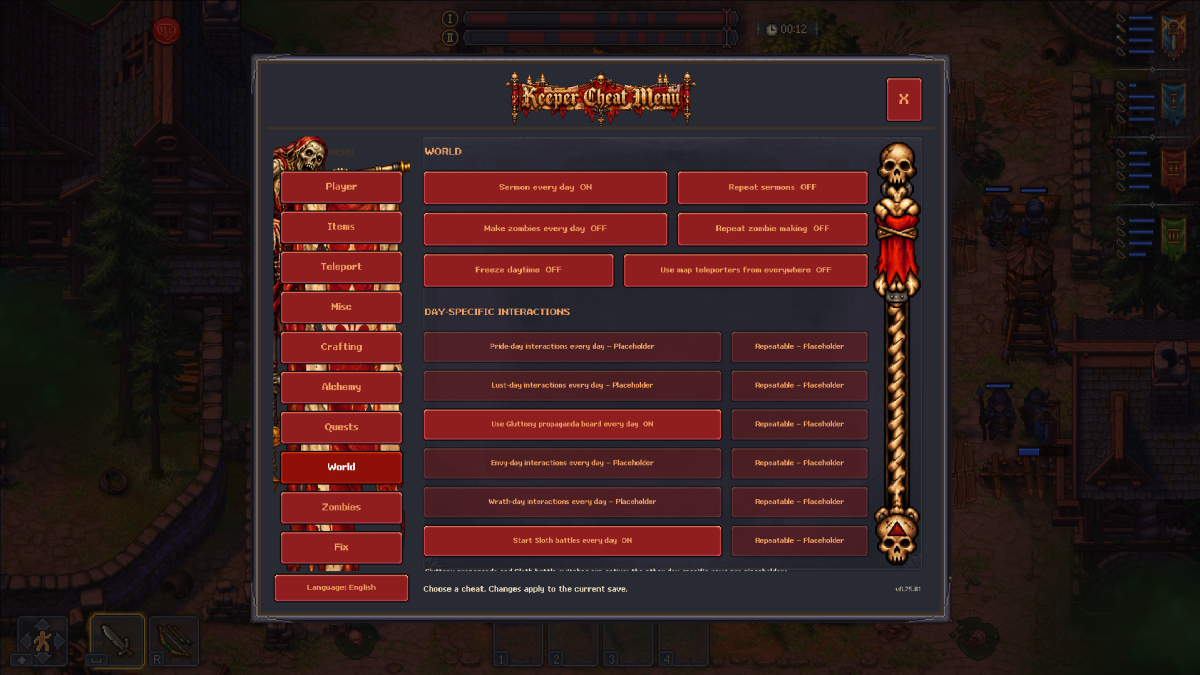
- Use recipe references or quality-of-life mods if desired. Many mods can optimize the gameplay experience without imbalancing the game. Read here: Graveyard Keeper 2 Mods: How to Install Mods and the Best Mods to Try
💀 If you are confused about how to navigate through alchemy, autopsy, automation, this and that…., our Graveyard Keeper 2 Guide Hub is your home for graveyard management tips, farming guides, crafting tutorials, zombie automation, alchemy, cooking, and much more. We add new guides regularly, so be sure to check back as the graveyard continues to grow!

Is Graveyard Keeper 2 Too Grindy? Check Common Players’ Complaints
Grindy gameplay, comlicated production chains, and overwhelming management tasks… Let’s have a close look at what make this game grindy!…

Graveyard Keeper 2 Zombie Factory Guide: A Simple Layout with Fewer Zombies
This guide explains the purpose of building Zombie Factory, the basic units for building it up, and gives helpful mods…

Graveyard Keeper 2 Mods: How to Install Mods and the Best Mods to Try
Guide on installing mods for Graveyard Keeper 2, enhancing gameplay and efficiency with various tools….

Graveyard Keeper 2 Go or Stay: Which Ending Should You Choose?
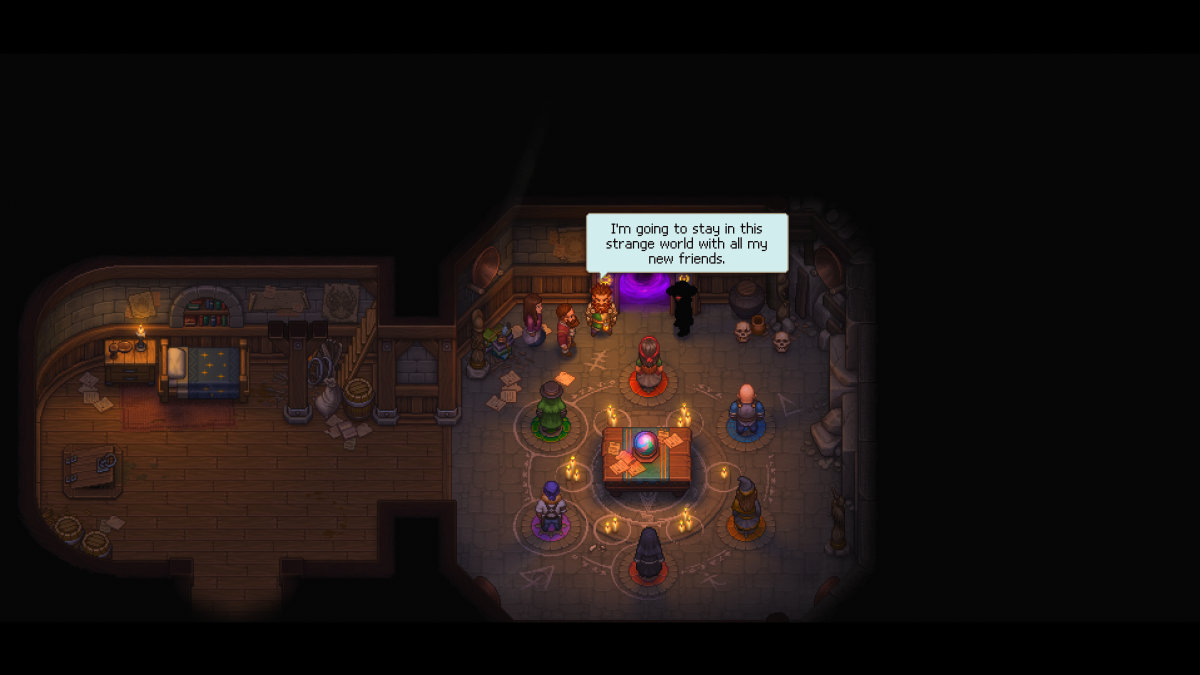
Graveyard Keeper 2 offers two endings: “Go” means returning home, while “Stay” allows continued gameplay….

Graveyard Keeper 2 Marble Quarry: Location & Zombie Automation
The Marble Quarry is essential in Graveyard Keeper 2, enabling zombie automation for efficient resource gathering….

Graveyard Keeper 2 Red Eye Choice: Keep It or Give It Back?
Choose to keep or return the Red Eye in Graveyard Keeper 2 for different perspectives on the final ending….